

Back Hand Mehndi Design: Mehndi, also called henna, is a stunning form of body art that has captivated the hearts of many cultures across the globe, especially in India, Pakistan, and the Middle East. The application of mehndi involves a paste made from the leaves of the henna plant that is used to create intricate and ornate designs on the skin.
RELATED: New And Beautiful Mehndi Design 2023
Typically, mehndi is applied to the hands and feet, but it can be used on other parts of the body too. Once applied, the paste is left to dry on the skin for several hours, creating a temporary stain that can last up to two weeks.
People often use mehndi to celebrate special occasions, such as weddings and festivals, where it is seen as a symbol of good fortune and prosperity. The designs can range from simple and elegant geometric shapes to more complex patterns that cover the entire hand or foot. Mehndi artists use special cones or bottles to apply the paste, and some may even use stencils or templates to create more intricate designs.

Mehndi is an ageless and captivating art form that has been cherished for centuries, and it remains a popular way to adorn the body today.
40 Unique Back Hand Mehndi Design in 2023
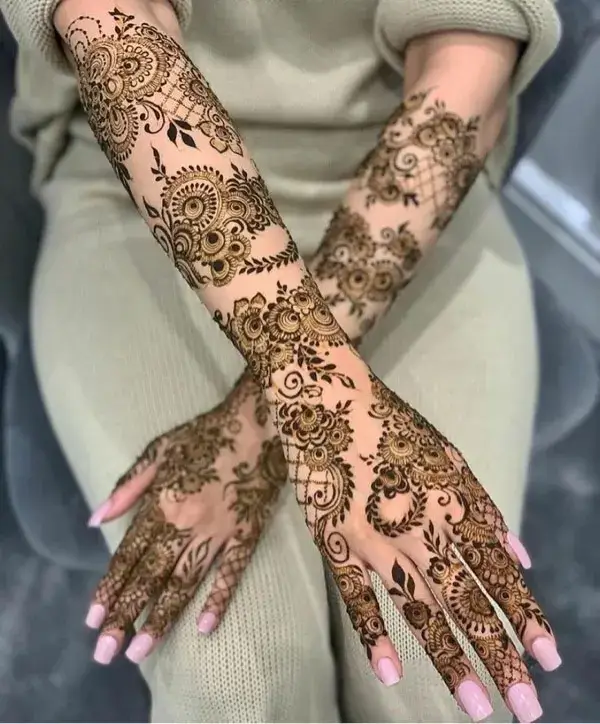
In 2023, the trend of adorning hands with mehndi continues to thrive, and one popular choice is the backhand mehndi design. From intricate mandalas to bold floral patterns, there are endless options to choose from. Unique and modern designs, such as geometric shapes and glittery mehndi, have also gained popularity.
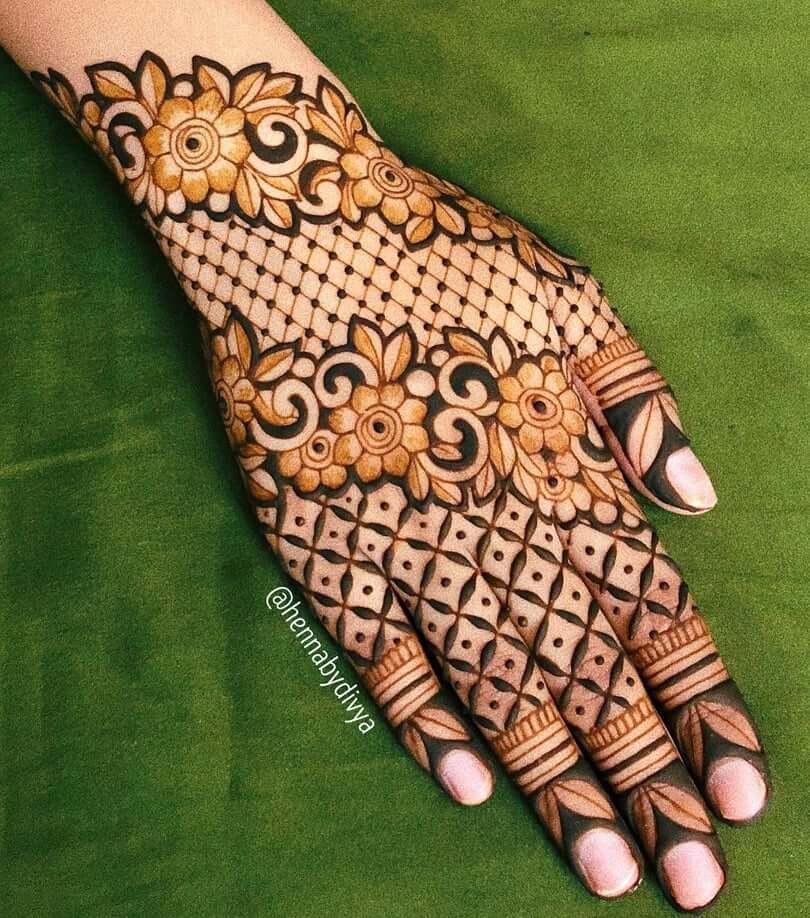
Traditional Indian designs, including paisley patterns and floral vines, remain a timeless choice. With so many beautiful designs to choose from, the backhand mehndi trend is sure to continue to enchant and inspire in 2023.


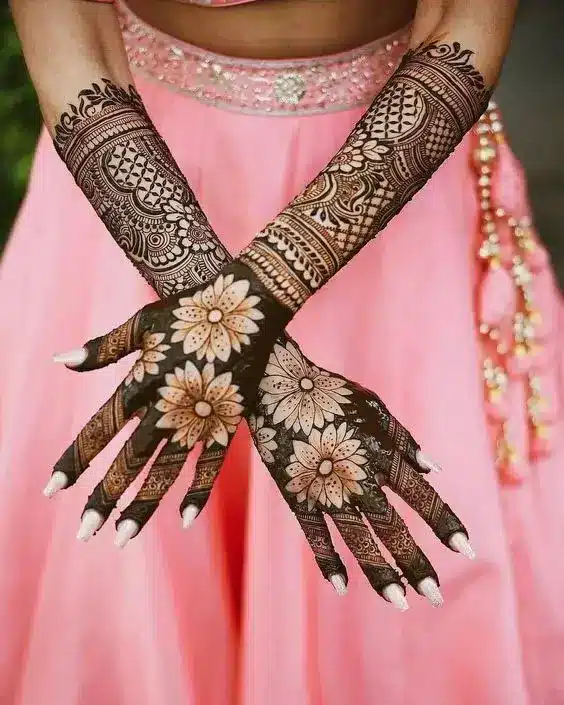
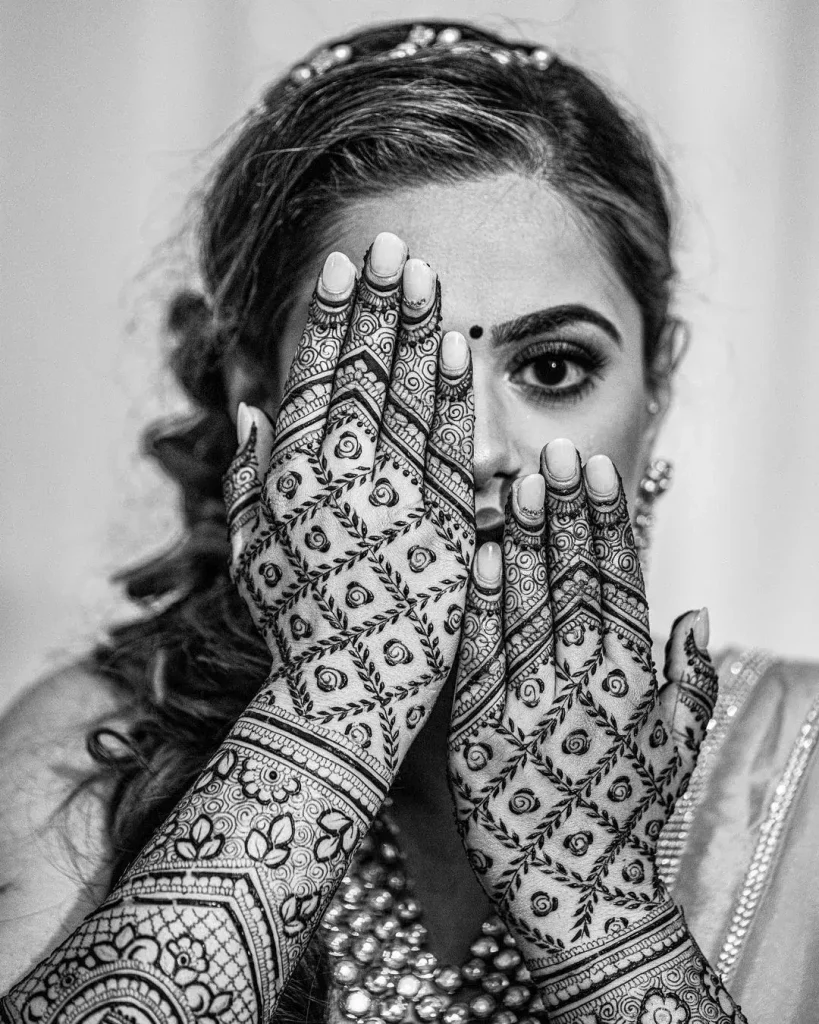


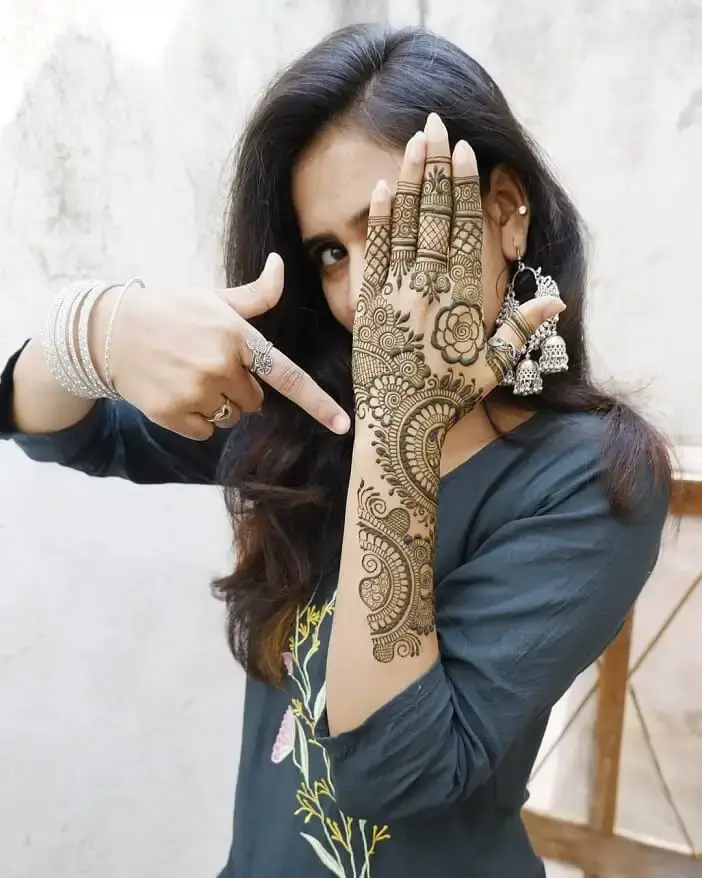




RELATED: 50 Best Mehndi Designs for Kids in 2023
Mehndi Tradition
Mehndi is a traditional art form that is widely practiced in India, Pakistan, Bangladesh, and Afghanistan. It is commonly used during wedding ceremonies, particularly by Sikh, Muslim, and Hindu brides. In Rajasthan, grooms are also given elaborate designs that are similar to those worn by brides.
Additionally, in Assam, unmarried women often adorn themselves with mehndi during the Rongali Bihu festival. This cultural practice is deeply ingrained in the traditions and celebrations of these regions, making it an important part of their cultural heritage.
Popular Mehndi Patterns
There are many popular mehndi patterns that are widely used for various occasions. Some of the most popular designs include:
- Paisley: A classic teardrop-shaped pattern that is widely used in mehndi designs.
- Mandala: A circular design that is often used in the center of the hand, featuring intricate geometric patterns and details.
- Floral: This pattern features various flower designs, including roses, lotuses, and daisies, often combined with leaves and vines.
- Arabic: Known for its bold and thick lines, the Arabic design features floral and geometric patterns and is often used on the hands and feet.
- Bridal: These designs are typically more intricate and elaborate, covering the entire hand and arm, and often incorporating the groom’s name or initials.
Why is mehndi so popular?
Mehndi is popular for several reasons, including its cultural significance, artistic beauty, and temporary nature. In many cultures, including India, Pakistan, and the Middle East, mehndi is an integral part of weddings and other celebrations and is believed to bring good luck and prosperity to the bride and groom.
The intricate and beautiful designs of mehndi also make it a popular form of body art, appreciated for its aesthetic appeal. Additionally, the temporary nature of mehndi makes it a great option for those who want to experiment with different designs without the commitment of a permanent tattoo. Overall, the cultural, artistic, and practical aspects of mehndi contribute to its enduring popularity.
Comments