Kenyan traders are moving beyond basic charts and signals. They want tools that learn from the market, adapt to news, and respect risk. Reinforcement learning is entering this space with systems that improve through experience and make decisions that look more like a disciplined trader and less like a static script.
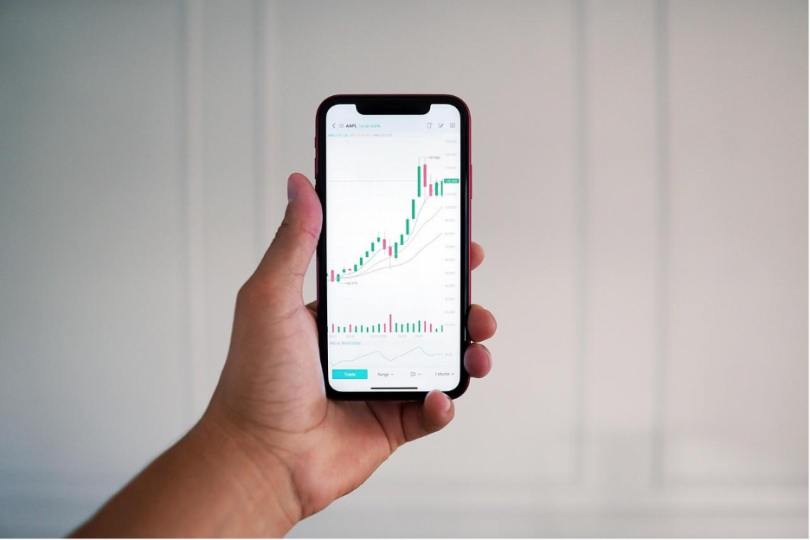
Many beginners start with a forex trading app to test ideas on a phone while riding a matatu or during lunch. The new wave of AI brings a learning loop into that same workflow. The software observes price and volume, takes an action like enter or exit, receives a reward based on risk adjusted profit, and updates its policy. Over time the model shapes behaviour that fits local trading routines in Nairobi, Mombasa, and Kisumu.
Understanding Reinforcement Learning In Simple Terms
Reinforcement learning is a framework where an agent interacts with an environment and learns by trial and feedback. The agent sees a state such as trend strength and volatility. It chooses an action such as buy, sell, hold, or reduce. The market responds with a reward which could be positive or negative. The agent updates its policy to prefer actions that produced better long run outcomes. The idea is not prediction perfection. The idea is steady policy improvement under uncertainty.
Why This Matters For Kenya
Kenyan traders often balance day jobs, data costs, and family time. A learning system can compress research by automating the tedious parts. It can scan pairs during active London hours, flag high quality setups for the evening, and reduce activity when spreads widen. It can respect risk budgets even when emotions are strong. The result is a workflow that matches local schedules and keeps discipline visible.
From Static Rules To Adaptive Policies
Traditional apps rely on fixed if then rules. If price crosses a moving average then open a trade. Reinforcement learning replaces that one step logic with a policy that weighs multiple signals together and learns which combinations work best in different regimes. The policy can shift from breakout tactics in strong trends to mean reversion tactics in calm sessions. It can also learn to stand aside when news risk is high.
What The Model Sees And Learns
A practical setup feeds the agent a compact set of features. Think realised volatility, session time, spread level, distance from recent highs and lows, and momentum slope. The reward is not just raw profit. It is profit adjusted for drawdown and costs. The agent learns that a small but consistent edge with low heat is better than an occasional big win that causes stress and large losses.
Risk First Design For Retail Traders
The strongest reinforcement learning systems centre the reward around survival. They penalise large single trade losses. They penalize long periods underwater. They reject actions that break predefined risk rules. This keeps the model from overtrading during thin liquidity and from chasing moves after big candles. The reward function becomes a teacher that enforces habits many human traders struggle to maintain.
How To Use RL Features In Daily Practice
Start with clear goals. Decide your maximum daily loss, your preferred session, and your average trade duration. Configure the app to learn within those boundaries. Review the policy explanations that show why the model favoured a setup. Compare the model action to your plan. Keep a short journal of cases where you overrode the suggestion and the outcome. Learning accelerates when human judgement and machine feedback meet in a loop.
Key Checks Before You Trust An RL Engine
A short checklist helps you judge real value.
• Transparent reward definition and example trades
• Controls for maximum position size and daily loss
• Evidence of out of sample testing across at least three regimes
• Clear handling of costs and slippage typical in Kenya
• Ability to pause learning and lock a stable policy when needed
Where RL Helps The Most
Reinforcement learning shines in position management. Entry quality matters, but exits and size adjustments drive outcomes. A good policy learns to scale out when momentum fades and to hold when trend strength persists. It also helps with session selection. The model can learn that your best results come during early London and that late night trading hurts your consistency. It nudges you toward times that fit both liquidity and personal focus.
Limits You Should Recognise
Reinforcement learning is not a crystal ball. Markets change when central banks shift tone or when geopolitical events move risk sentiment. A model can adapt, but it needs time and clean feedback. You will still see losing streaks. You will still need patience. Keep expectations realistic. Measure by month and quarter rather than by day.
Education Built Into The App
Kenyan traders benefit when the app explains itself. Each action should include a short reason such as rising volatility and improving momentum or spreads widened and risk cut. Short lessons tied to live decisions teach faster than long courses. Over a few weeks you will see patterns in how the policy reacts to common scenarios and you will build intuition that lasts.
Getting Started With A Safe Plan
Open a demo and let the model learn with strict caps on exposure. Run it through calm days, range days, and news days. Track the gap between suggested and executed prices. Study the weekly summary that lists best and worst decisions and what the policy learned. Fund only after the behaviour matches your risk limits and your schedule.
The Road Ahead For Kenya
Mobile first finance is normal in Kenya. Reinforcement learning fits that reality by compressing research and raising discipline inside a phone. As data quality improves and costs fall, expect apps to offer community learning where anonymised results help each policy avoid common mistakes. Expect better explanations, simpler controls, and safer defaults. The goal is not to replace the trader. The goal is to train the tool to think more like a careful Kenyan trader who values patience, clarity, and risk control.