

African pop music videos have transformed into a global visual standard, blending high-fashion aesthetics with rich cultural narratives. Directors are increasingly moving away from generic club settings toward cinematic storytelling that highlights the continent’s diversity. This evolution reflects the massive commercial success of genres like Afrobeats and Amapiano on international charts.
Visual innovation has become the primary tool for artists to distinguish their brand in a saturated digital market. While working on these creative projects, industry professionals often find that a short mental reset improves productivity. You can take a break and check your luck on india slots online to refresh your focus before returning to the editing suite. This balance between intense creative work and leisure is common among modern digital creators.
The Rise of Afrofuturism
Afrofuturism has emerged as a dominant visual theme, merging traditional African motifs with science-fiction elements. These videos often feature neon-lit urban landscapes, advanced technology, and celestial imagery rooted in African mythology. This style allows artists to project a vision of the future that is distinctly African rather than a Western imitation.
The use of high-contrast lighting and digital distortion adds to the otherworldly feel of these productions. This aesthetic is particularly popular among alternative African pop artists who experiment with electronic sounds.
The key visual components of the Afrofuturistic style:
- Metallic fashion pieces and chrome-finished accessories that reflect digital culture.
- Traditional tribal markings reimagined as glowing or holographic overlays.
- Abstract set designs that blend natural desert or jungle landscapes with sleek, geometric structures.
- Elaborate headpieces that combine indigenous craftsmanship with industrial materials.
These elements create a surreal atmosphere that captivates global audiences. Directors offer a unique perspective on African identity by blending the ancient with the unexplored.
Street Culture and High Fashion
A significant trend involves the seamless integration of luxury couture with raw street culture. Many videos are filmed in bustling markets or residential neighborhoods but feature models in avant-garde outfits from local and international designers. This juxtaposition celebrates the energy of urban life while showcasing African creative excellence.
Authentic Heritage Prints
Traditional textiles are being repurposed into modern silhouettes to create a look often called “Afrothenticity.” Designers use fabrics like Ankara, Kente, and Shweshwe to construct oversized hoodies, corsets, and streetwear staples. This trend ensures that the cultural heritage of the artist remains central to the visual narrative.
Bold Color Palettes
Vibrant colors are a hallmark of the African pop aesthetic, used to convey energy and optimism. Directors often employ color-blocking techniques to make performers stand out against textured backgrounds.
The following list describes the color trends dominating the scene:
- Earthy neutrals like sand and stone that provide a grounded, organic feel.
- Neon overlays on animal prints, giving traditional patterns a digital-age update.
- Deep jewel tones such as emerald green and sapphire blue for a sense of luxury.
- Metallic silver and rose gold finishes that bridge the gap between the street and the metaverse.
These palettes are chosen carefully to evoke specific emotions and reinforce the song’s rhythm. Strategic color use helps in making every frame of the video look like a high-end editorial photograph.
Hyper-Local Storytelling
Instead of aiming for a universal look, many trending videos now focus on hyper-local stories and specific cultural rituals. This includes showcasing traditional wedding ceremonies, street festivals, or everyday life in specific cities like Lagos or Johannesburg. These authentic depictions resonate deeply with local fans while offering international viewers a window into genuine African life.
Directorial choices such as long takes and handheld camera movements contribute to a documentary-style feel. This approach builds a sense of intimacy and trust between the artist and the audience. Real-world settings provide a grit and texture that artificial studios cannot replicate.
Movement and Choreography
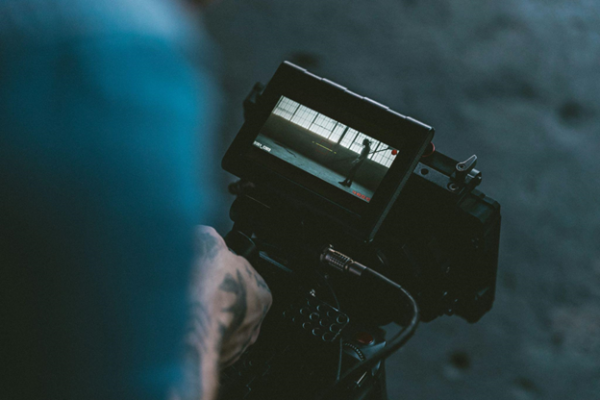
Dance remains the heartbeat of African pop music videos, with choreography often going viral on social media platforms before the official video release. Trending styles now focus on synchronized group movements that are both complex and accessible. High-energy routines are typically filmed in wide shots to capture the full scale of the performance.
The focus has shifted from simple “dance-offs” to integrated movement that tells a story. Dancers are often styled as characters who interact with the artist and the environment. This transformation makes the choreography an essential part of the cinematic experience rather than just an interlude.
Comments