
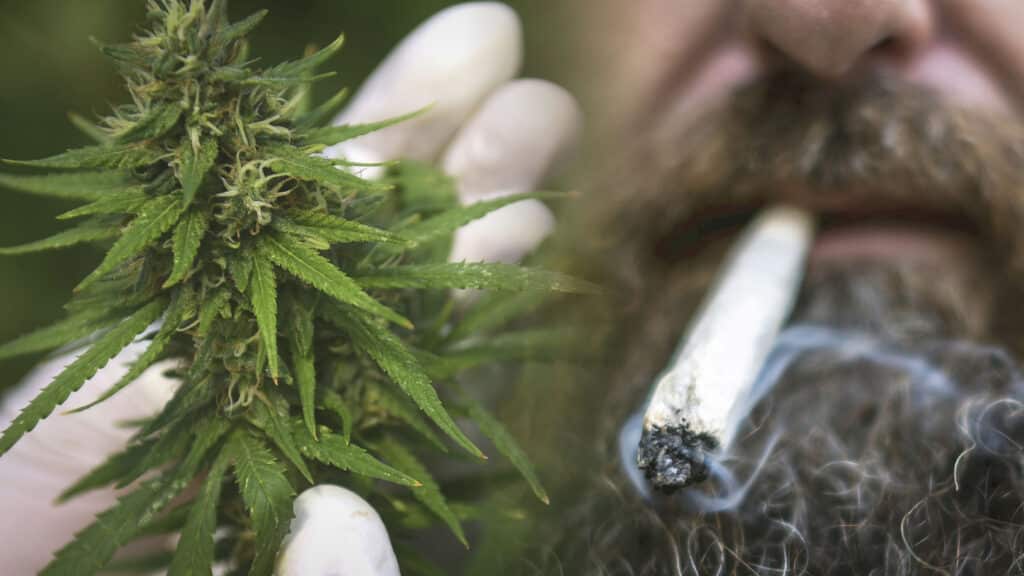
Types of Weed (Cannabis) and Strains. Cannabis comes from different strains and in different preparations.
Table of Contents
The intensity and character of marijuana’s effects varies with strain, preparation, and method of consumption. This article discusses the options and their pros and cons so you can determine which cannabis type and form might be right for you.
Strains of Weed
Like many plants, cannabis comes in many strains. Marijuana strains are generally categorized as sativa, indica, or a hybrid of both.
- Sativa strains tend to produce an energetic, euphoric buzz.
- Indica strains can be calming and relaxing.
- Hybrid strains are a blend of the two. Most modern strains are hybrid to some degree.
Forms of Weed
Cannabis is available in several forms:
Flower
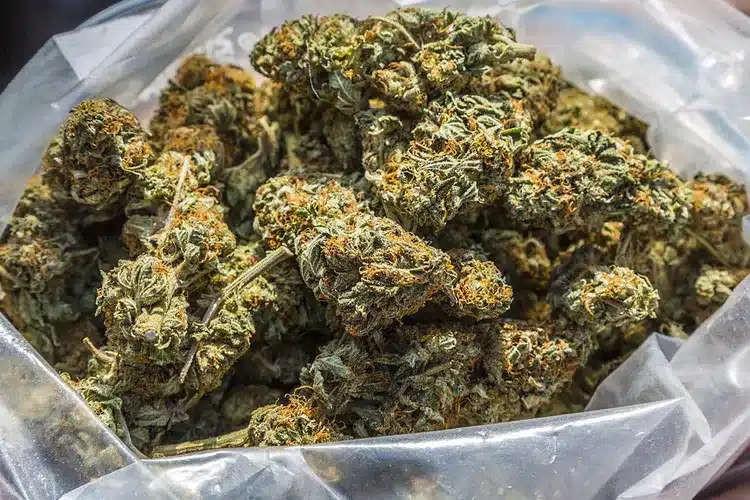
Often simply called weed or pot, this is the unprocessed form of cannabis.
Weed consists of the dried leaves and buds of the female Cannabis sativa and Cannabis indica plants.
It has a very pungent and recognizable odor, both in its unburnt state and while being smoked. This odor is quite unlike kitchen herbs, although weed is sometimes “cut” (mixed) with benign kitchen herbs such as oregano and parsley when sold in the underground market.
Weed is commonly smoked in hand-rolled cigarettes, known as joints. The lumpy texture of weed can be felt through the tobacco rolling paper. This is one of the characteristics that can differentiate a joint from a hand-rolled tobacco cigarette.
Hashish and weed can be mixed with rolling tobacco, which is a soft, moist, sticky tobacco preparation designed for hand-rolling. It may also be mixed with the dry tobacco from deconstructed cigarettes. This mixture is referred to as a “spliff”.
Weed, hashish, and hashish oil can be smoked in pipes, water pipes, and bongs, or mixed with tobacco and smoked in a chillum. Some young adults have also used e-cigarettes to inhale marijuana through “vaping.”
- Pros: Easily accessible in legal states, can grow it yourself (if state law allows), a wide variety of strains and potencies
- Cons: Not a good choice for somebody with lung issues or who does not want to inhale a lot of smoke
Edibles
Marijuana can also be taken orally and is often cooked into food. In this form, it is commonly called edibles. A classic way to eat marijuana is in the form of brownies or cookies. However, marijuana can be added to many types of food, just like an herb, and may even appear in candy
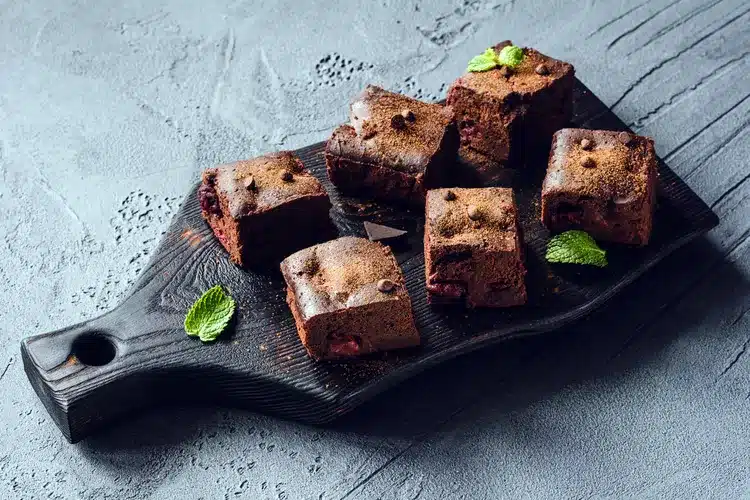
It is added to food products through a process known as infusion in which activated cannabis compounds are added into an edible. This is often done through a process known as decarboxylation, which involves physically altering the chemical structure of cannabis compounds by applying heat. The decarboxylate process is what makes cannabis psychoactive.
The next step is to infuse the decarboxylated cannabis into butter or oil, and then add the infused fat into an edible product.
With edible forms of marijuana, it takes longer to feel the psychoactive effects and it can be quite potent
Anecdotal observations suggest that edibles may be helpful for conditions such as pain, nausea, epilepsy, and mental health conditions such as PTSD and depression. However, overconsumption of edibles is linked to motor impairment, cognitive problems, agitation, anxiety, vomiting, and sedation.
- Pros: Avoids the negative health effects of smoking marijuana and the effects may last longer than smoked cannabis.
- Cons: It takes longer to metabolize ingested cannabis, which can make it easy to accidentally consume too much.
Concentrates
Cannabis concentrates are produced by distilling certain parts of the cannabis plant. Doing this leads to a higher concentration of cannabinoids and terpenes.
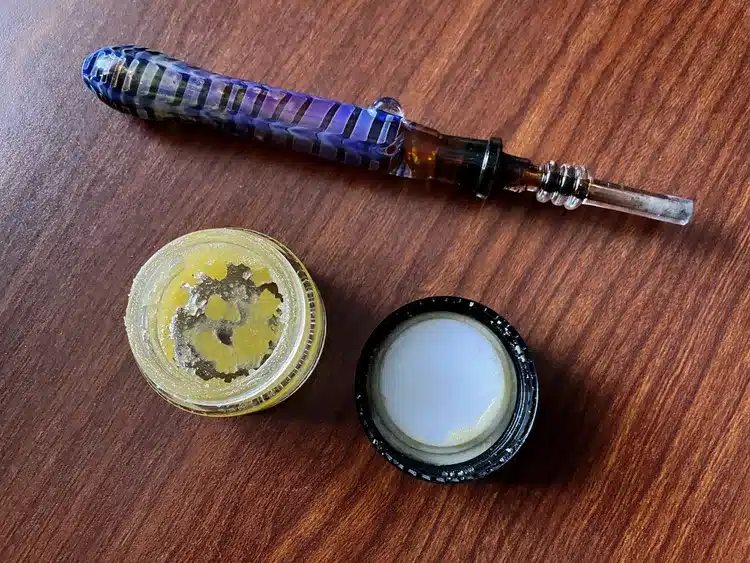
Some of the processes that are used to produce cannabis concentrates include dry processing, dry ice processing, water-based processing, pressure/heat processing, and the use of flammable or non-flammable solvents. Once produced, a concentrate may look like a liquid wax, a soft solid, or a hard solid.
These products can then be consumed in a variety of different ways depending on the form of the concentrate. Dabbing is one popular way to consume cannabis concentrates.
What Is Dabbing?
Dabs are also referred to as shatter, wax, budder, amber, and honeycomb. They are concentrated forms of butane hash oil and contain high levels of THC. Dabs can be administered by heating the product and then inhaling it or by placing hash oil in a vape pen.
Wax, Shatter, Oils
Shatter is a translucent, glasslike concentrate. It can be used by putting it on a hot surface and inhaling the smoke. Wax is a malleable substance with a butter-like texture that can be placed in a bong or pipe and smoked.

Oil is a liquid cannabis concentrate that can be consumed with a vape pen, taken sublingually under the tongue, added to edibles, or placed in a capsule.
Capsules
Concentrates can also be made into capsules to be swallowed.
Like edibles, capsules must be absorbed by the stomach and metabolized to have an effect.
Tinctures
A tincture is a cannabis extract that is combined with another substance, often alcohol.

These products are often ingested by putting a few drops under the tongue, but the tincture can also be added to foods and beverages.
Hash
Hashish, or hash for short, is a preparation of marijuana made from the resin of the Cannabis sativa or Cannabis indica plant. The resin is dried into blocks of hashish, producing an oily, solid substance.

Hash is often warmed, crumbled, and rolled together with tobacco. It may also be smoked in a pipe, bong, or chillum.
- Pros: Concentrates usually have high potency and better flavor. They are also often easier to use discretely.
- Cons: Concentrates are usually more expensive than other forms of marijuana. Some potentially dangerous side effects may occur including anxiety and hallucinations. Producing concentrates can be potentially dangerous, especially when using combustibles.
Distillate
Distillate is a golden, runny oil that is created by refining cannabis resin to isolate the desirable cannabinoid compounds and remove unwanted material.

These products can then be used in vape cartridges, but they can also be added to other products including topicals and edibles.
Rick Simpson Oil
One type of distillate is known as Rick Simpson oil (RSO), named after its creator. This type of oil contains higher levels of THC than other forms and is purported to offer benefits for conditions such as skin cancer, asthma, inflammation, depression, and infections.

Some research has found that THC and CBD extracts may be helpful when used as a treatment alongside radiation therapy; however, more research is needed.
- Pros: Because of how they are made, distillates can contain very high concentrations of cannabis compounds. They tend to have a lighter smell and taste, which some people may prefer.
- Cons: Distillates are a type of cannabis isolate, so they might not contain other cannabinoids that can create “the entourage effect.” This refers to the compounded benefits of consuming different cannabinoids together.
Here is where we share source of knowledge (Life Hacks & Life Style ), Entertainment, Technology, Fashion, E-News and updates all over the world.
Keep on visit our website for more updates
Comments