
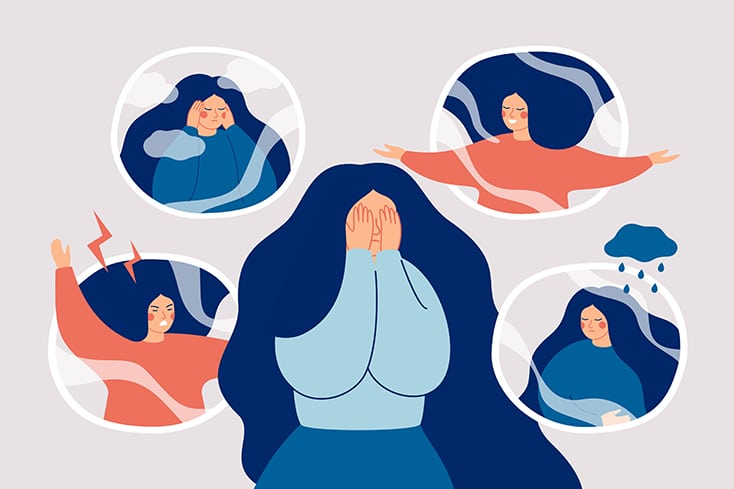
What is Bipolar Disorder
Bipolar disorder, also known as manic-depressive illness, is a mental disorder characterized by periods of elevated or irritable mood (mania or hypomania) alternating with periods of depression. The exact cause of the bipolar disorder is not known, but it is believed to be a combination of genetic and environmental factors.
There are types of bipolar disorder including,
Types of Bipolar Disorder
There are several types of bipolar disorder, including:
- Bipolar I Disorder: characterized by manic or mixed episodes that last at least seven days, or by manic symptoms that are so severe that the person needs immediate hospital care. Depressive episodes may also occur.
- Bipolar II Disorder: characterized by a pattern of depressive episodes and hypomanic episodes, but not full manic episodes.
- Cyclothymic Disorder (also known as Cyclothymia): is characterized by numerous periods of hypomanic symptoms as well as numerous periods of depressive symptoms lasting for at least two years (one year in children and adolescents).
- Other Specified and Unspecified Bipolar and Related Disorders: for individuals who experience bipolar symptoms that do not meet the criteria for any of the above disorders.
RELATED: All About Depression
Symptoms
Tt bipolar disorder can vary in how often and how severe symptoms are. Some people experience frequent episodes with severe symptoms, while others have infrequent episodes with mild symptoms.
Bipolar I Symptoms
The symptoms of Bipolar I disorder can include:
- Manic episodes: characterized by a persistent elevated, expansive, or irritable mood, increased energy and activity levels, and a reduced need for sleep. The person may also experience grandiosity, impulsivity, reckless behavior, and poor judgment.
- Depressive episodes: characterized by a persistent sad, empty, or hopeless mood, loss of interest or pleasure in activities, significant changes in weight or appetite, insomnia or excessive sleep, feelings of worthlessness or guilt, and difficulty concentrating or making decisions.
- Mixed episodes: characterized by symptoms of both mania and depression occurring at the same time.
- Rapid cycling: characterized by four or more episodes of mania, depression, or mixed episodes in a 12-month period.
- Psychotic symptoms: such as hallucinations or delusions, may also occur during manic or mixed episodes.
It’s important to note that the symptoms of bipolar disorder can vary greatly from person to person and can change over time
RELATED: Postpartum Depression
Bipolar II Disorder Symptoms
The symptoms of Bipolar II Disorder can include:
- Hypomanic episodes: characterized by a persistent elevated, expansive, or irritable mood, increased energy and activity levels, and a reduced need for sleep. The person may also experience grandiosity, impulsivity, and reckless behavior, but these symptoms do not cause significant impairment in social or occupational functioning.
- Depressive episodes: characterized by a persistent sad, empty, or hopeless mood, loss of interest or pleasure in activities, significant changes in weight or appetite, insomnia or excessive sleep, feelings of worthlessness or guilt, and difficulty concentrating or making decisions.
- Rapid cycling: characterized by four or more episodes of hypomania or depression in a 12-month period.
- Mixed episodes: characterized by symptoms of both hypomania and depression occurring at the same time.
It’s important to note that the symptoms of bipolar disorder can vary greatly from person to person and can change over time. A qualified mental health professional can help to make a proper diagnosis.
Also, in Bipolar II disorder, hypomanic episodes don’t cause significant impairment and don’t require hospitalization, unlike manic episodes in bipolar I disorder.
Cyclothymic Disorder symptoms
Cyclothymic disorder, also known as cyclothymia, is a type of bipolar disorder characterized by numerous periods of hypomanic symptoms as well as numerous periods of depressive symptoms lasting for at least two years (one year in children and adolescents). The symptoms of Cyclothymic Disorder can include:
- Hypomanic symptoms: characterized by a persistent elevated, expansive, or irritable mood, increased energy and activity levels, and a reduced need for sleep. The person may also experience grandiosity, impulsivity, and reckless behavior, but these symptoms do not cause significant impairment in social or occupational functioning.
- Depressive symptoms: characterized by a persistent sad, empty, or hopeless mood, loss of interest or pleasure in activities, changes in weight or appetite, insomnia or excessive sleep, feelings of worthlessness or guilt, and difficulty concentrating or making decisions.
- Mixed symptoms: characterized by symptoms of both hypomania and depression occurring at the same time.
- Rapid cycling: characterized by frequent shifts in moods between hypomania and depression.
RELATED: How To Meditate|Styles|Benefits
Mania and Hypomania
Mania and hypomania are two different types of episodes that can occur in bipolar disorder.
Mania is a severe episode of elevated or irritable mood, energy, and activity levels that lasts at least one week and causes significant impairment in social or occupational functioning. Symptoms of mania can include:
- Elevated, expansive, or irritable mood
- Increased energy and activity levels
- Reduced need for sleep
- Grandiosity, impulsivity, and reckless behavior
- Racing thoughts and rapid speech
- Poor judgment and increased risk-taking behavior
- Distractibility and difficulty focusing
- Hallucinations or delusions (psychotic symptoms)
Hypomania, on the other hand, is a milder form of mania. It is characterized by a persistent elevated, expansive, or irritable mood, increased energy and activity levels, and a reduced need for sleep, but it does not cause significant impairment in social or occupational functioning. Symptoms of hypomania can include:
- Elevated, expansive, or irritable mood
- Increased energy and activity levels
- Reduced need for sleep
- Grandiosity, impulsivity, and reckless behavior
- Racing thoughts and rapid speech
- Improved mood and increased productivity
- Distractibility and difficulty focusing
It’s important to note that not all people with bipolar disorder experience episodes of mania or hypomania, and the severity of symptoms can vary greatly from person to person.
Major depressive episodes
A major depressive episode is a period of at least two weeks during which there is either a depressed mood or loss of interest or pleasure in nearly all activities, and at least four additional symptoms such as changes in appetite or sleep, fatigue, feelings of worthlessness or guilt, difficulty concentrating, or thoughts of death or suicide. Major depressive episodes are a symptom of major depressive disorder, also known as clinical depression. Treatment options for major depressive episodes include therapy, medication, and lifestyle changes.
RELATED: How To Meditate|Styles|Benefits
Bipolar disorder symptoms in women vs. men
Bipolar disorder is a mental health condition characterized by episodes of extreme mood swings, ranging from manic or hypomanic episodes (abnormally elevated or irritable mood and increased energy) to depressive episodes.
Symptoms of bipolar disorder in women and men can be similar, but research suggests that there may be some differences in the way the disorder presents in each gender. For example, studies have shown that women may experience more rapid cycling (frequent shifts between manic and depressive episodes) and mixed episodes (simultaneous symptoms of mania and depression) than men. Women may also have a higher risk of the postpartum onset of bipolar disorder.
Women with bipolar disorder may also experience more symptoms of anxiety and have a higher risk of comorbidities (having another mental disorder alongside bipolar disorder), such as eating disorders or substance abuse.
Men with bipolar disorder may have a higher risk of comorbidity with substance abuse and impulse control disorders. Men also may be more likely to experience manic episodes characterized by reckless and impulsive behavior, such as spending sprees, promiscuity, or aggression.
Bipolar disorder in children and teens
Bipolar disorder can occur in children and adolescents, but it is less common than in adults. The diagnostic criteria for bipolar disorder in children and teens are similar to those for adults, but the symptoms may be different.
Children and adolescents with bipolar disorder may experience rapid mood swings between mania and depression, but the manic episodes may be less severe than those in adults. They may also experience mixed episodes, in which symptoms of mania and depression occur simultaneously.
Symptoms of mania in children and teens may include:
- Increased energy and activity levels
- Irritability and agitation
- Impulsivity and reckless behavior
- Racing thoughts and rapid speech
- Difficulty sleeping
- Grandiose thinking
- Inflated self-esteem
- Decreased need for sleep
- Difficulty paying attention or completing tasks
Symptoms of depression in children and teens may include:
- Persistently sad, anxious, or empty mood
- Loss of interest in activities
- Significant weight loss or gain
- Difficulty sleeping or oversleeping
- Fatigue or loss of energy
- Feelings of worthlessness or guilt
- Difficulty concentrating
- Thoughts of death or suicide
It is important to note that not all children and adolescents who experience mood swings have bipolar disorder. Other conditions such as ADHD, anxiety disorder, or depression should also be ruled out. It’s important to consult a mental health professional for a proper diagnosis.
Treatment for bipolar disorder in children and teens may include therapy, medication, and lifestyle changes. Medication options for children and adolescents with bipolar disorder may include mood stabilizers, antipsychotics, and antidepressants. It’s important to note that these medications can have different risks and side effects in children and adolescents than in adults and that the treatment should be tailored to the specific needs of the child or adolescent under the care of a mental health professional.
RELATED: Migraines vs. tension headaches vs. cluster headaches
Bipolar Disorder Treatment
Bipolar disorder is typically treated with a combination of medication and therapy.
Medications
There are several types of medications that can be used to treat bipolar disorder, including:
- Mood stabilizers: These medications, such as lithium and valproic acid, help to stabilize mood swings and prevent manic episodes.
- Atypical antipsychotics: Medications such as quetiapine and olanzapine can help to reduce symptoms of mania and psychosis.
- Antidepressants: These medications can be used to treat depressive episodes, but should be used with caution as they may trigger manic episodes in some people with bipolar disorder.
- Benzodiazepines: These medications, such as lorazepam, can be used to help with anxiety and insomnia.
- Anticonvulsant: Some anticonvulsant like Carbamazepine and lamotrigine have been used as mood stabilizers in bipolar disorder.
Pyschotherapy
Psychotherapy is a form of treatment for mental health conditions that involves talking with a trained therapist or counselor. It can be used to treat a wide range of conditions, including depression, anxiety, PTSD, and relationship problems. The goal of psychotherapy is to help individuals understand and work through their thoughts, feelings, and behaviors in order to improve their mental health and overall well-being. There are many different types of psychotherapy, including cognitive-behavioral therapy, psychoanalytic therapy, and interpersonal therapy.
Cognitive behavioral therapy
Cognitive-behavioral therapy (CBT) is a type of psychotherapy that focuses on the relationship between thoughts, feelings, and behaviors. The theory behind CBT is that our thoughts and beliefs can affect our emotions and actions, and that by changing our thoughts and beliefs, we can change our emotions and actions.
CBT sessions typically involve discussing current problems and setting specific goals for treatment. The therapist and the patient work together to identify negative patterns of thinking and behavior and develop strategies to change them. The therapy may include homework assignments and practicing new skills outside of therapy sessions.
CBT has been found to be effective for treating a variety of mental health conditions, including depression, anxiety disorders, post-traumatic stress disorder (PTSD), and eating disorders. It is considered a “talking therapy” and it is often brief, usually lasting between 10 and 20 sessions.
RELATED: Music Therapy: The Psychological Benefits of Listening to Music and Mental Health
Psychoeducation
Psychoeducation is a form of therapy that provides education and information about a mental health condition to an individual or group. The goal of psychoeducation is to empower the individual or group to better understand and manage their condition, as well as to promote recovery and improve overall well-being.
During psychoeducation sessions, a therapist or counselor may provide information about the causes, symptoms, and treatment options for a specific mental health condition. They may also teach coping skills, stress management techniques, and problem-solving strategies. Psychoeducation can be delivered in a one-on-one or group setting.
Psychoeducation is often used in conjunction with other forms of treatment, such as medication and psychotherapy. It can be helpful for individuals with conditions such as depression, anxiety, bipolar disorder, schizophrenia, and substance use disorders. It can also be used to educate family members and caregivers about the condition and how to support the person.
Natural remedies for bipolar disorder
There are several natural remedies that may help individuals with bipolar disorder manage their symptoms. However, it is important to note that these remedies should never be used as a replacement for prescribed medication and therapy recommended by a mental health professional.
Some natural remedies that have been found to be helpful for managing bipolar disorder symptoms include:
- Omega-3 fatty acids: These supplements have been found to be helpful for managing mood swings and reducing symptoms of depression.
- Vitamin D: Low levels of vitamin D have been linked to an increased risk of bipolar disorder. Taking a daily vitamin D supplement may help to improve symptoms.
- Exercise: Regular physical activity has been found to be helpful for managing symptoms of depression and anxiety.
- Sleep: Maintaining a regular sleep schedule and getting enough sleep is important for managing symptoms of bipolar disorder.
- Stress management: stress can trigger episodes of mania and depression, so it is important to find ways to manage stress, such as through relaxation techniques like yoga, meditation, or deep breathing exercises.
It is important to consult with a healthcare professional before starting any natural remedy as some supplements may interact with medication or have side effects.
Comments